🎮How My VGM Packs Led to Custom Soundtracks
1. Music Packs to Boost Online Presence
A few years ago, I received an email from an indie game studio based in Paris, France called “Yummy Games.” They told me they loved my music assets they had come across on the Fab Marketplace (specifically citing my Sci-Fi Fantasy Music Bundle) and asked what I charged for custom music. They also shared a link to the Steam page of the game they were currently working on, Project Tower.
We set up a time to chat on Zoom to discuss the needs for their game (how many tracks, how long for each, the style they had in mind, etc). I told them the price I was charging at the time (~$800 per minute of music), they said that was too high for them, so we respectfully parted ways.
A few months later, I was thinking about how awesome their game looked (see screenshots below). I really wanted to be a part of the creation process of their game even though they couldn’t afford my full price. The art direction and general aesthetic of their game really spoke to me, so I figured being able to work on the game would be part of the payoff. I reached out to see if they’d be willing to do it for a lower price, and they agreed! We proceeded to work together and it was a fantastic experience, overall.
I’m so glad they reached out to me - and this isn’t the first time this has happened! I’ve had many developers reach out and ask what I charge because they came across my music packs on asset stores.
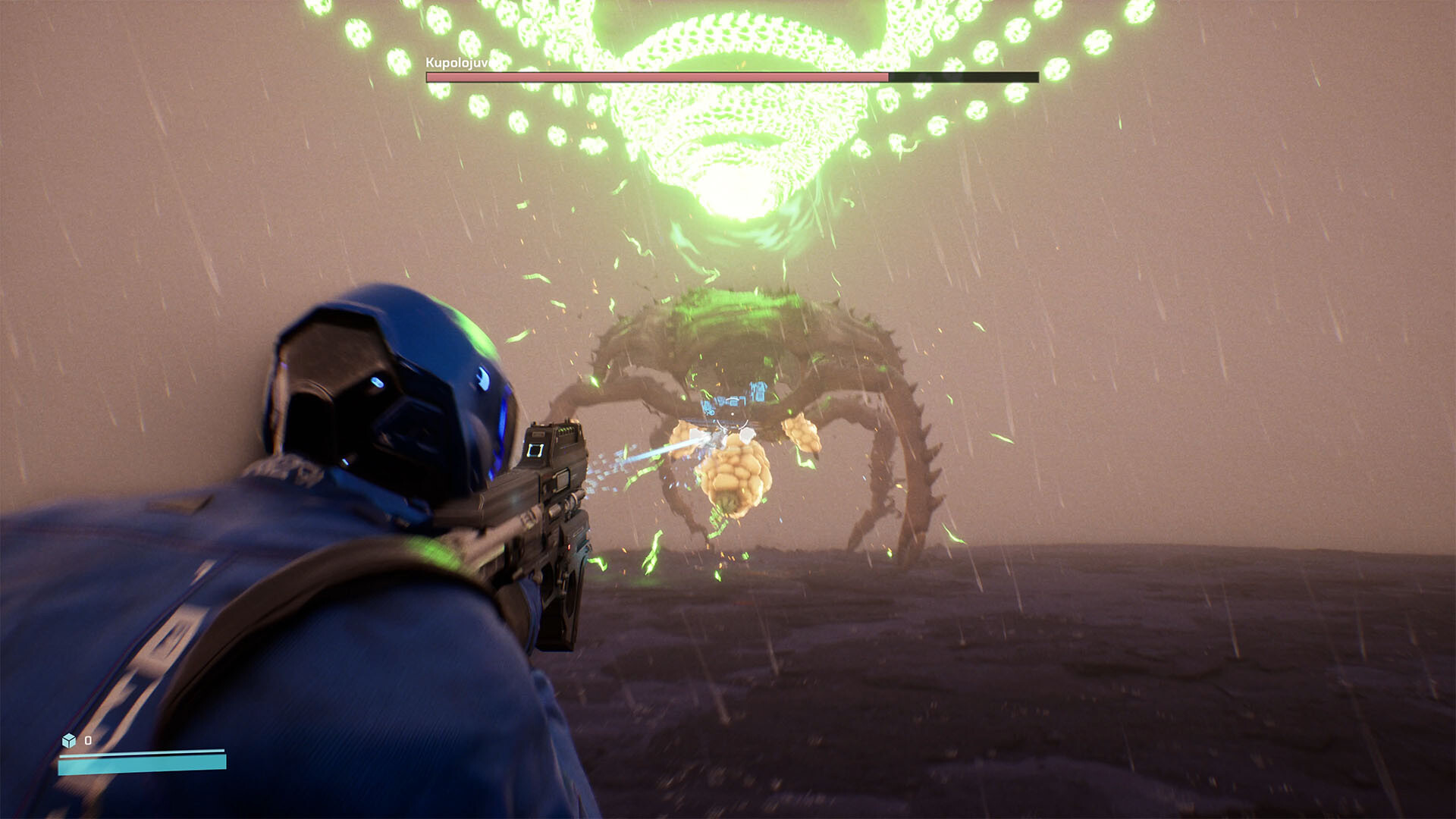
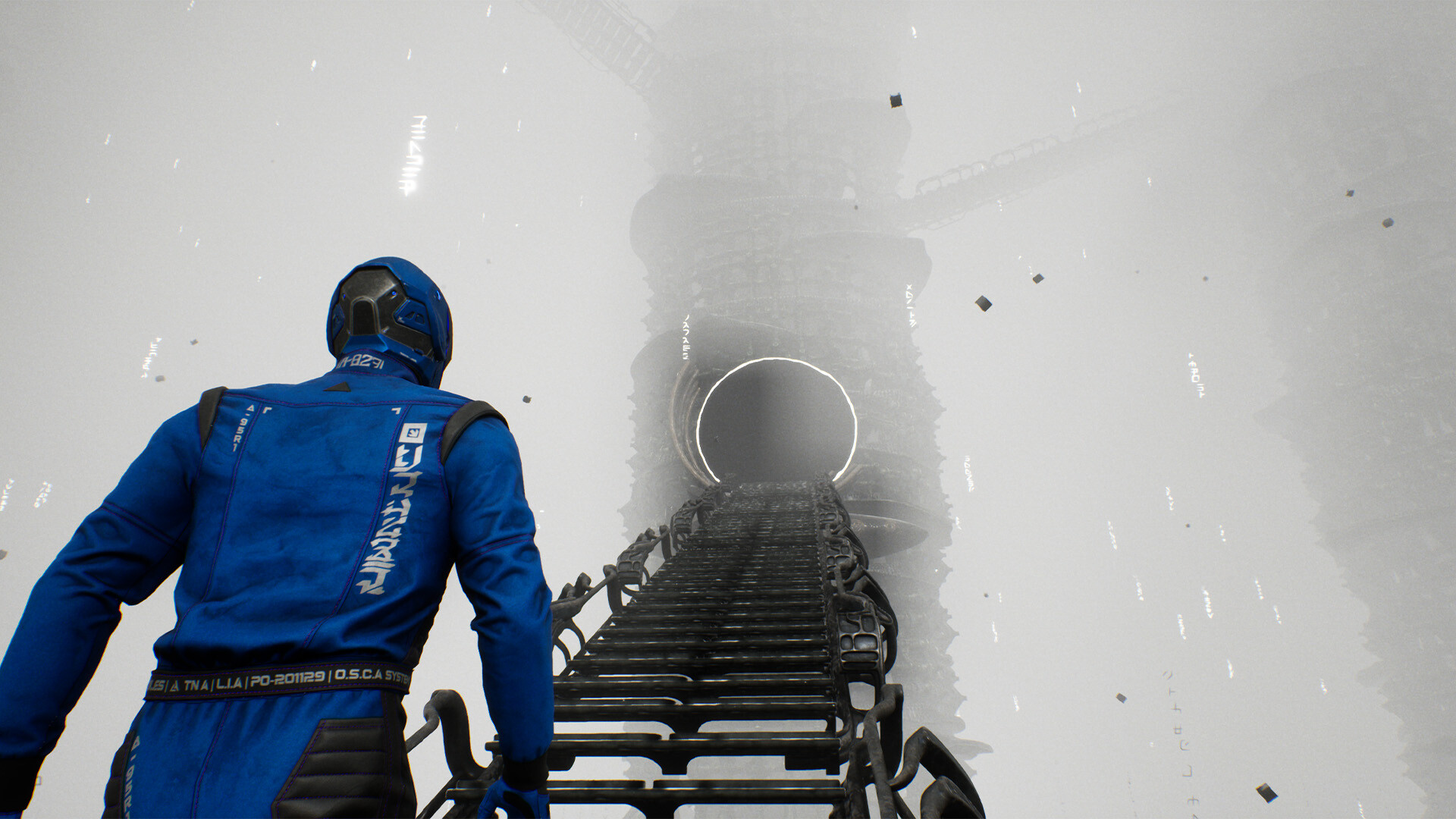
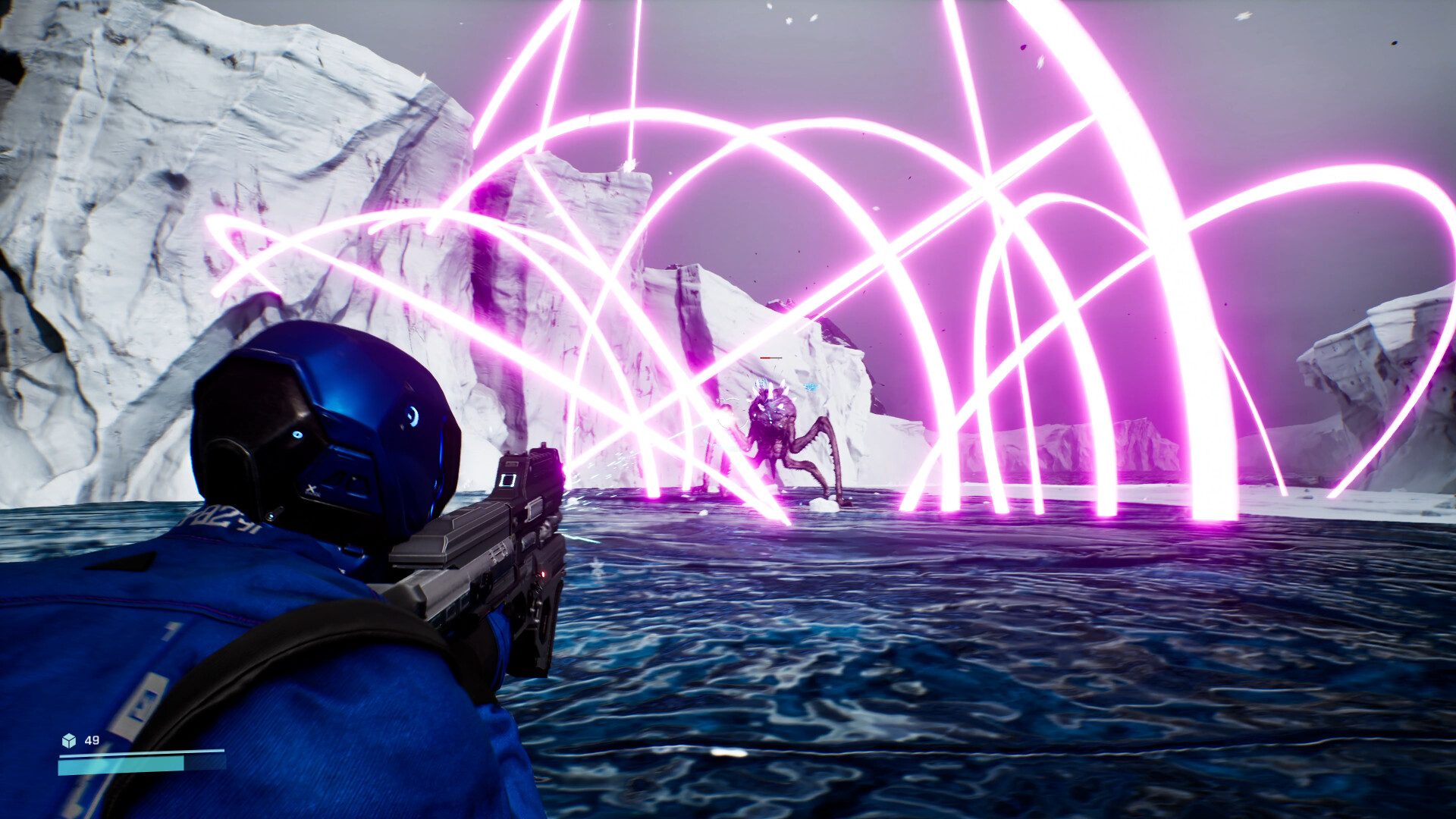
💿 Listen to Project Tower soundtrack
Key Takeaways:
It’s important to be flexible with our pricing. This flexibility can be the difference between not only being able to write music for an upcoming game, but potentially a career’s worth of games. Invest in relationships with others and be willing to play the long game. Plus, consider the fact that there are many ways we can negotiate a form of payment (such as receiving a percentage of game sales if we help to implement the music).
2. Music Packs as a Networking Tool
I had an experience recently where my music packs helped me land a gig at a local meetup. I’m currently a grad student at Columbia College Chicago for their Music Composition for the Screen program. We were invited to attend an event where undergraduate game developers would pitch their capstone projects to us, composers. Afterwards, we had an opportunity to chat with the game devs to introduce ourselves and see if we’d be a good fit for their game.
Seeing the composer- to game dev-ratio was a bit discouraging, so I tried to think of how I could stand out a bit differently. I approached one of the teams and, after chatting for a bit, told them I was a publisher on Unity Asset Store and was recently nominated for Best Artistic Content for one of my music packs. They looked up me up and clicked on one of my music packs. After a few more minutes of chatting, I then gave them my contact info and we parted ways.
Now, I’m not gonna lie, I felt a bit rusty with my networking skills, and a little awkward after the whole encounter! I didn’t have high hopes it would lead to anything. However, a few weeks later, I got an email from that team saying that they listened to my music (from my music pack samplers) and wanted me to work with them on their game. I have since started working on the game Half Shell and look forward to both how the game will turn out as well as the future careers these talented creatives will carve for themselves.
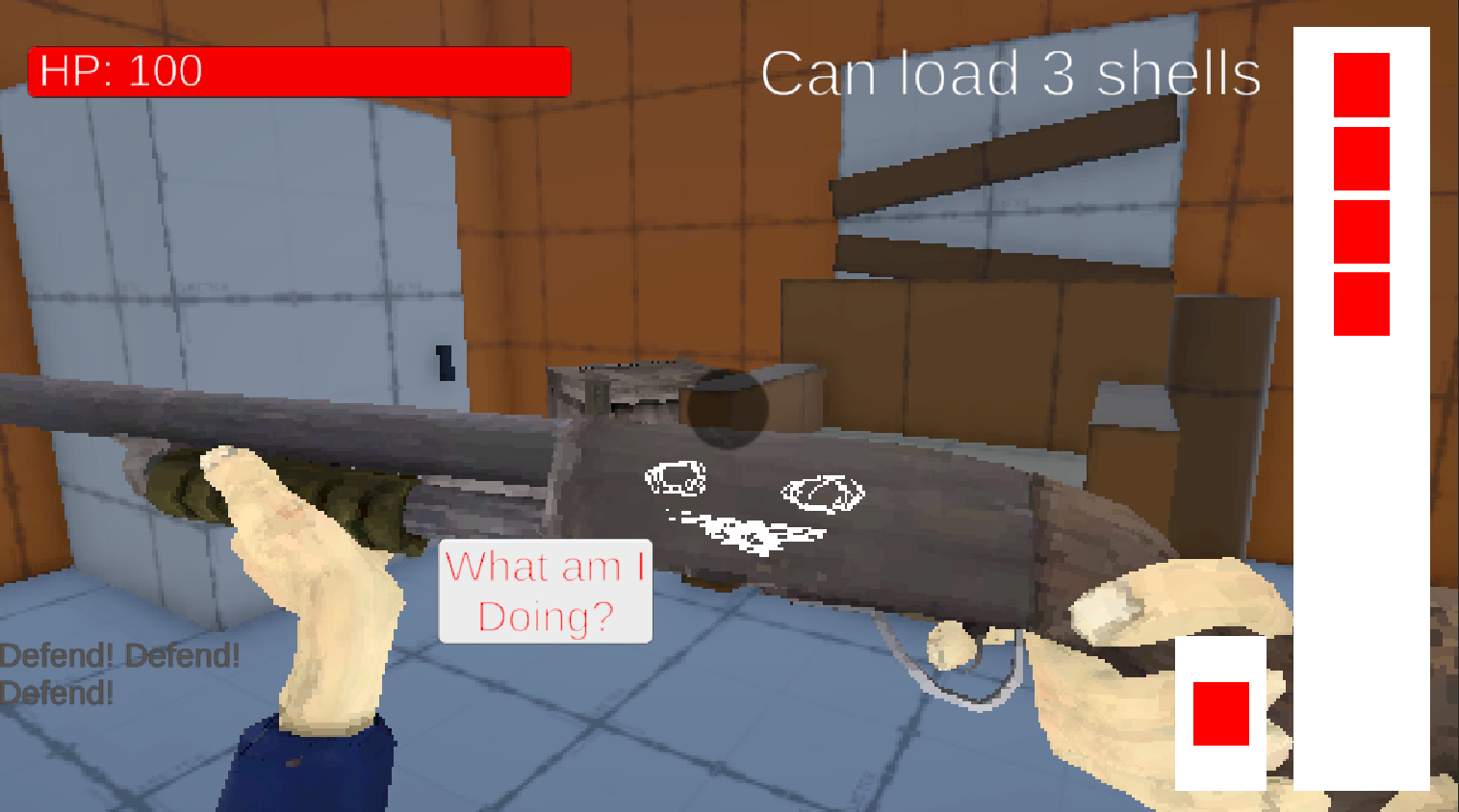
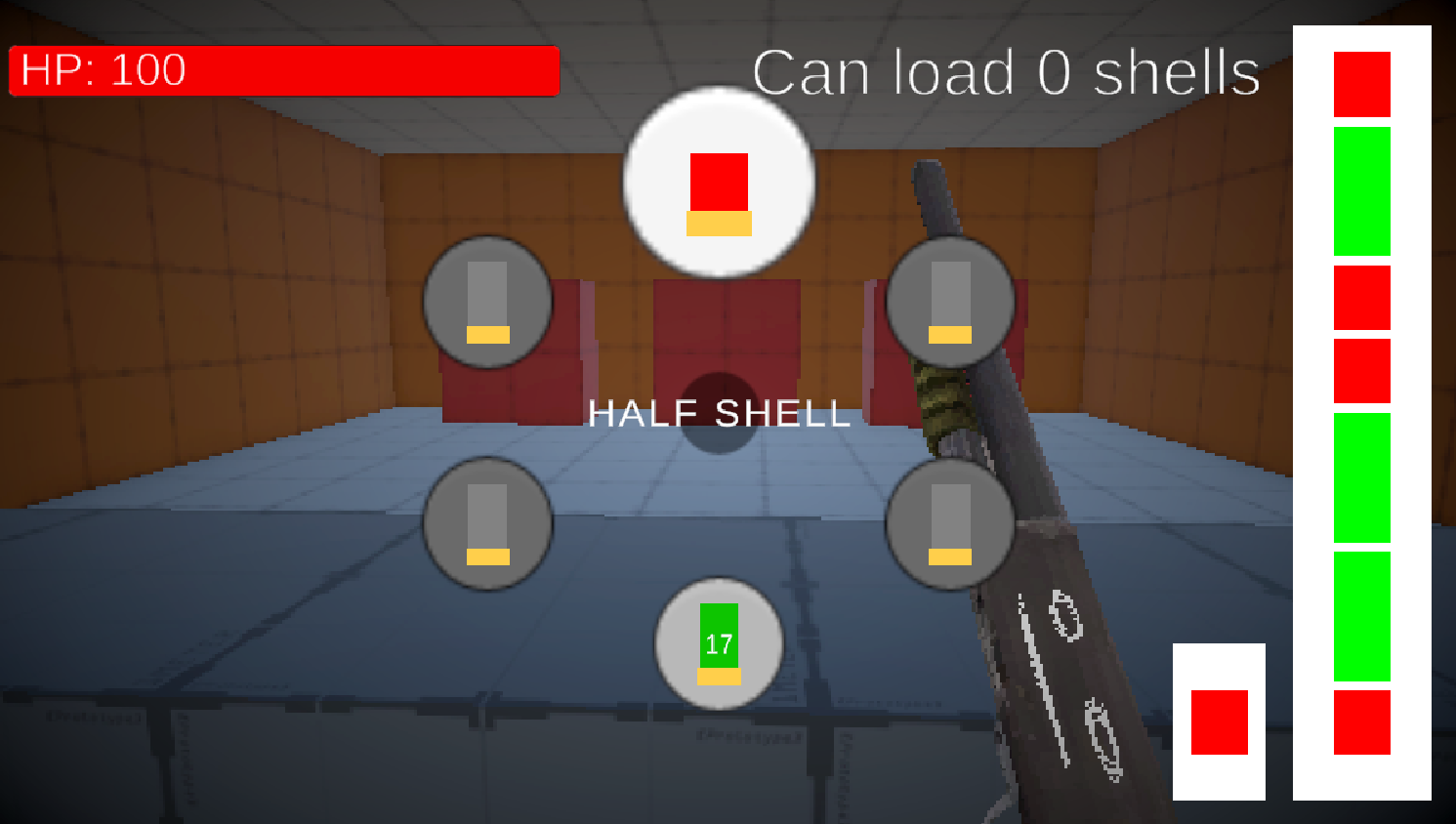
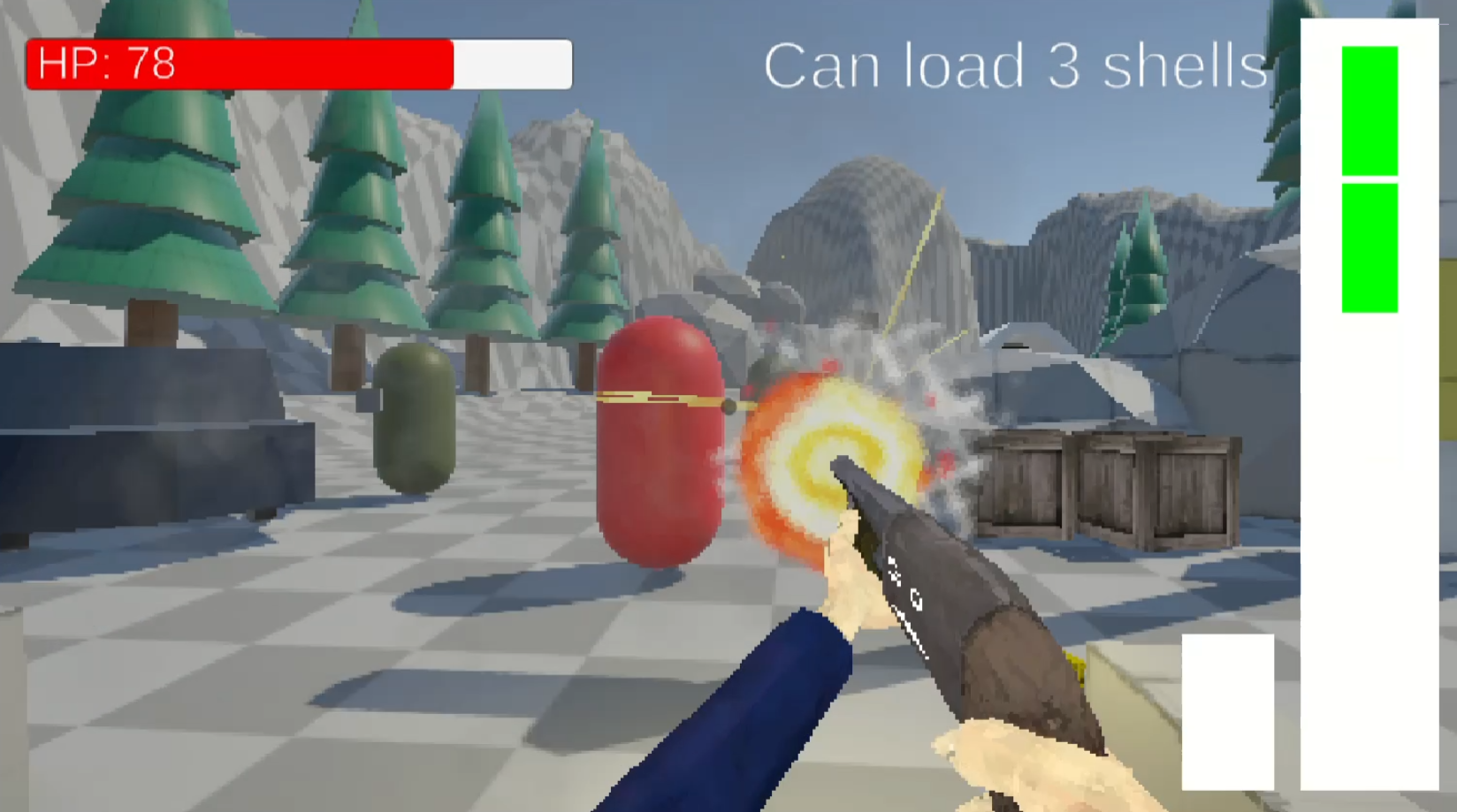
🎮 Play the Half Shell Demo
Key Takeaways:
We can use our music packs as a networking tool. When applicable, they can be used as demo reels when pitching to devs. It can be an effective way to demonstrate how we would compose for a certain genre they may be in search of.
Showing that we’re a publisher on asset stores is a way to show game devs we are a part of their world (even if to a small degree); that we’re familiar with different aspects and parts of the game industry and are even working to improve upon it as composers. We’re contributing - we’re not just taking or “asking for work.” We’re showing that we’re familiar with the spaces that many of them are already working in (especially for new game developers, who rely on asset stores for a lot of the heavy lifting).
3. Making Your Music Packs Stand Out
Now, these stories are great and all, but you may be wondering how you position your music pack in such a way that it can have a similar impact on your opportunities. This boils down to how we approach our music packs starting from its very initial idea stage.
Whenever I’m planning my next music pack, I ask myself these 2 questions:
What are game devs buying? (What is the need?)
What can I offer that uniquely fills that need? (What can I offer that is unique to the marketplace yet still answers question 1 at the same time?)
Answering these two questions gives me total direction in how I will approach every aspect of creating the pack - from the types of reverbs I use to the direction I’ll give the artist creating the cover.
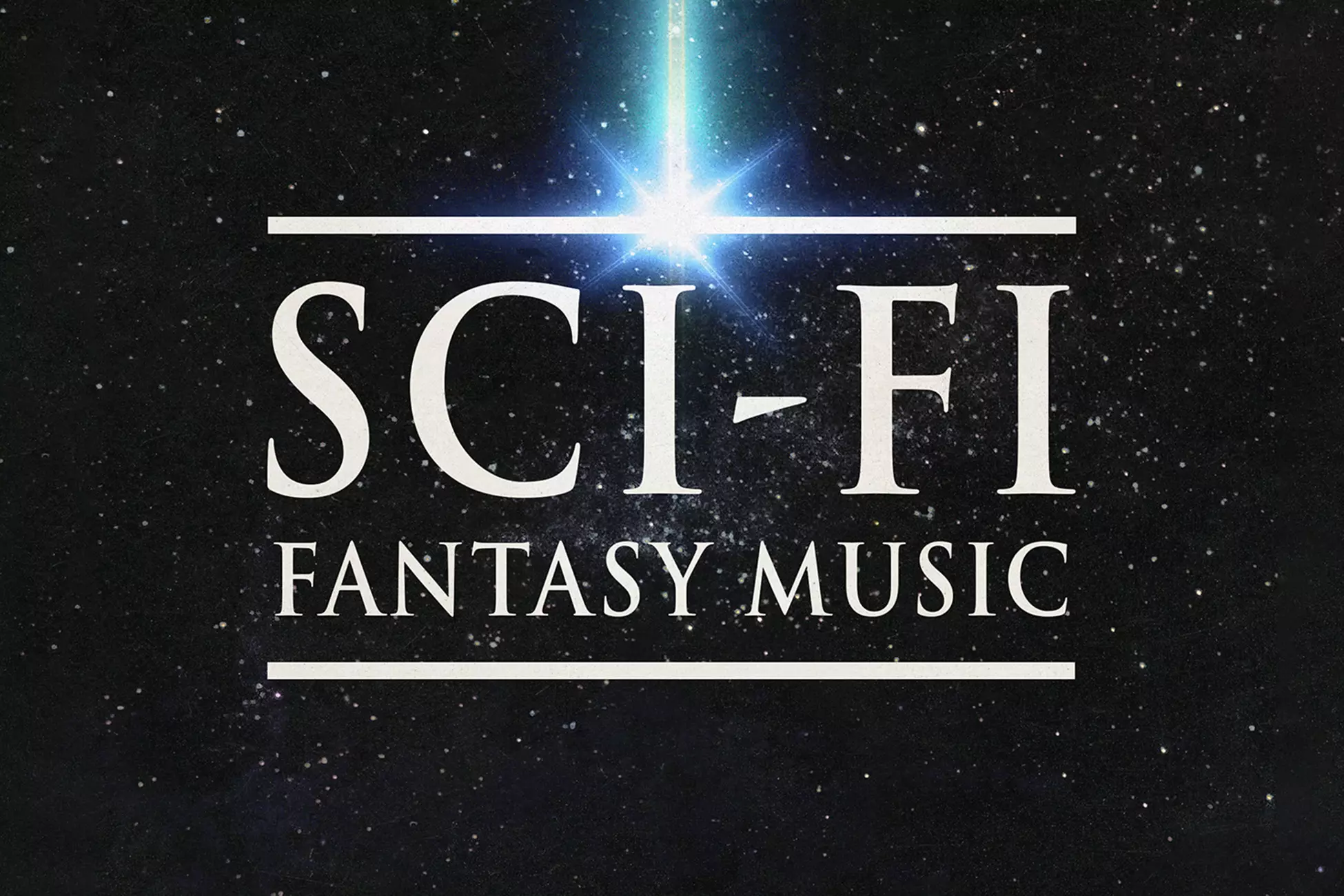
For example, I saw fantasy music was a largely sought-after genre. I decided to release music packs that were inspired by specific fantasy games (Elder Scrolls games, Elden Ring, The Witcher 3) as a unique way to fill that need, and it has been very successful. Yummy Games mentioned they noticed my Sci-Fi Fantasy Music Bundle in their email. Large-scale, “blockbuster epic” has been apart of my music pack brand and aesthetic, which they immediately noticed! They noticed it because that was the type of game they were wanting to create.
So the bottom line here is that you will draw in the types of games you market yourself to work on.
When I say “market,” I mean the types of music packs you release. It shows game developers you’re willing and wanting to work on games in those specific genres. It’s also proof that you can create custom soundtracks based on the quality of your work in your music pack.
It’s these small things that help us to stand out from among the crowd and give us a higher chance of being noticed by developers.
Next Steps
Here are some practical steps you can take no matter where you are on your journey as a video game music composer:
1️⃣ If you’re newer to writing music for video games and need to finish your first tracks, check out the 90 Days to Write Your First VGM Track course here in VGMA! Steven Melin masterfully teaches essential principles to composition from start to finish in a clear, concise way. It’s also a great course to check out if you’re having difficulty finishing your tracks, too.
2️⃣ If you’re ready to release your first game music pack, check out our course 7 Steps to Release Your First VGM Pack. I first took this course a few years ago as I was preparing to release my first music pack and I found it to be incredibly valuable. There’s no way I would’ve gotten through the process of submitting to Fab Marketplace for the first time without it! I’ve also returned to this course several times since then for an occasional refresher, and couldn’t recommend it more.
3️⃣ If you’d like one-on-one help working towards either of these goals, we offer free private coaching within VGMA Pro! My coaching sessions with Joe O’Rourke a few years ago were incredibly helpful. He helped me launch my career (and income) into a new trajectory, and introduced me to new concepts and perspectives I hadn’t before considered. At the time of this writing, VGMA has 3 coaches with unique expertise and experience to best support you towards your goals: Jordan Metzger (instructor for the VGMA course Beginner’s Guide to Video Game Music Theory), Brandon Boone (recent winner of the Game Music Award for his Slay the Princess soundtrack), and myself, Jake Lives (2-time nominee for Best Artistic Content at the Unity Awards for VGM packs). We’re eager to help you succeed as you navigate the next steps of your journey as a game music composer!
Until next time,
Jake Lives