Your Studio Monitors Are Lying to You
Your studio monitors are lying to you. Not because they’re bad… but because every listening environment lies in some way.
I remember being a kid asking friends, “How do you know the orange you see is the same orange I see?” Maybe we’ve just learned to call different things by the same name. That’s how mixing feels sometimes. You finish a track thinking, “This sounds great!” Then you try it in the car… and suddenly the bass is gone or the mix is muddy.
Was I tired? Was I careless? Or… was my room and monitor setup feeding me bad information the whole time?
After reading Mixing Secrets for the Small Studio, I realized something: before we buy new plugins or new speakers, we should first make sure our existing monitors are set up correctly.
So here’s a simple checklist to help you get more accurate and more consistent mixes — without spending a fortune.
The 5-Point Monitor Placement Checklist
✅ Check 1: Mounting (Stability First)
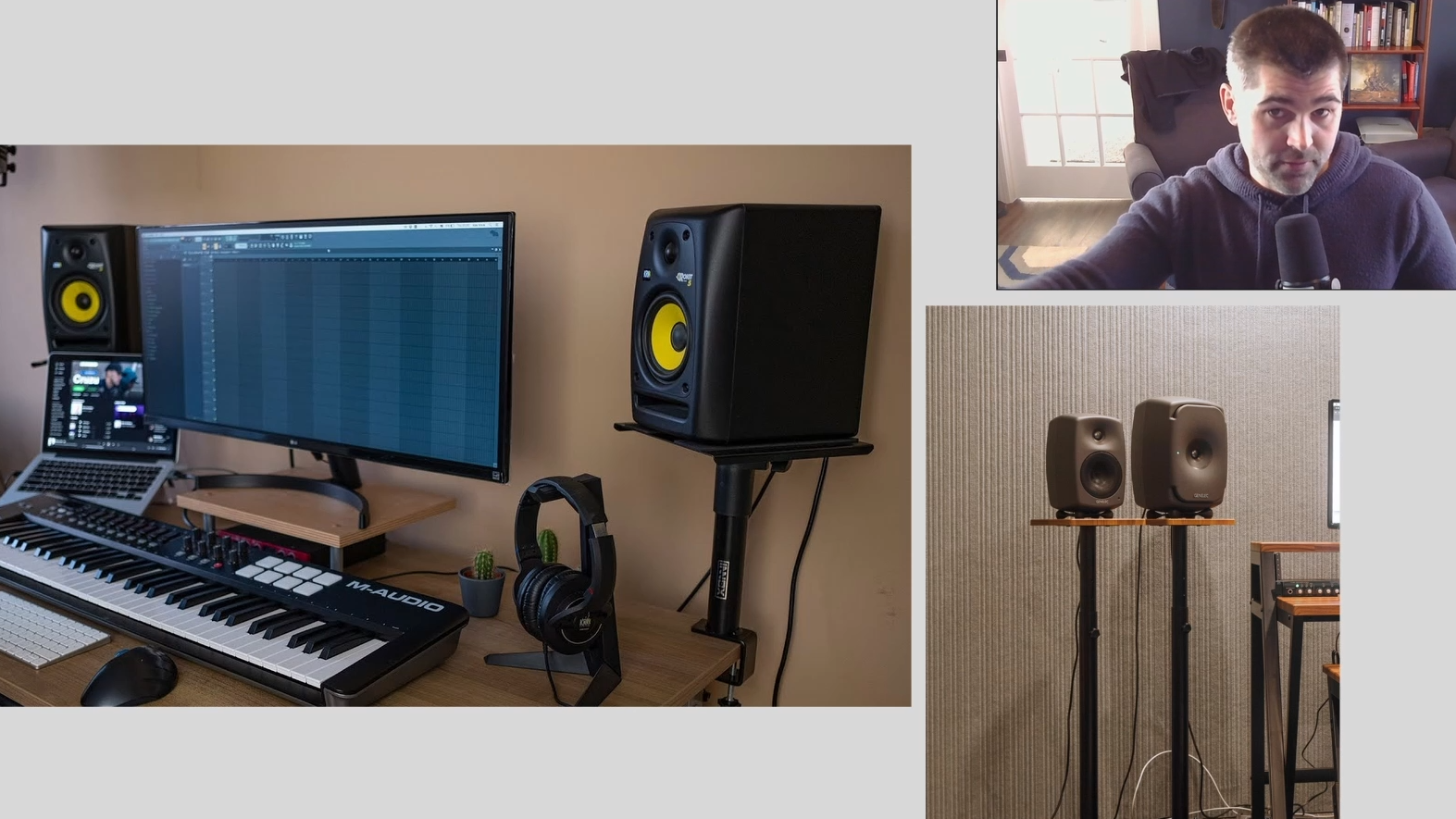
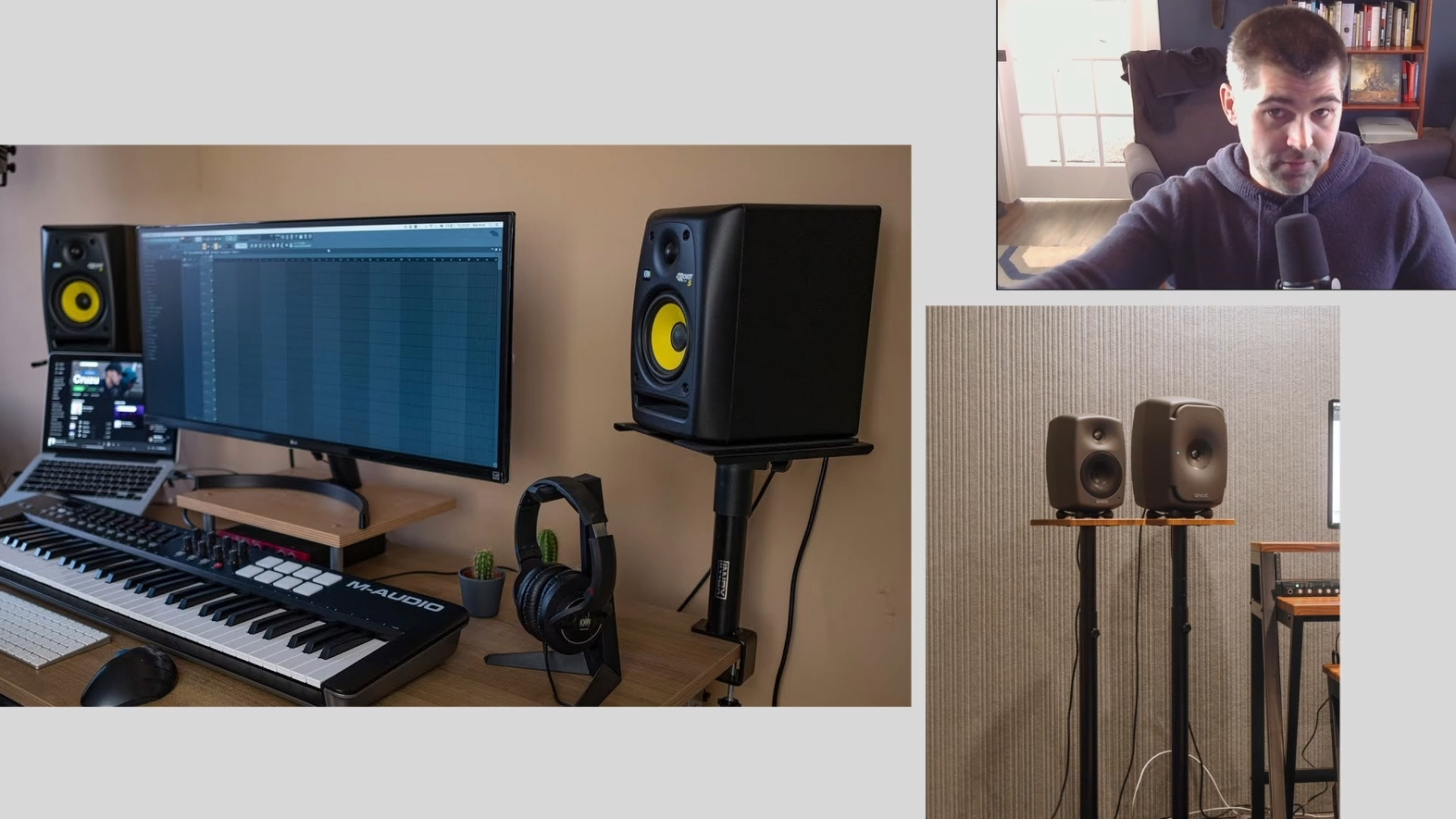
If your speakers can move, your low end can’t be trusted. When monitors sit directly on a desk or shelf, vibrations transfer into the furniture. That furniture resonates and adds its own low-frequency energy.
In other words: Your desk becomes part of the speaker. That muddies the bass and tricks you into making bad EQ decisions.
What to do:
● Use dedicated speaker stands if possible
● Decouple from the desk (foam pads, isolation stands, etc.)
● Add mass (sand, paving slabs) to keep stands stable
● Elevate them off resonant surfaces
The goal is simple: Speakers should move air — not the furniture.
✅ Check 2: Geometry (The Triangle Actually Matters)
You’ve heard it before: equilateral triangle. But here’s the question…Have you actually measured it?
I finally did — and I was way off. If your speakers aren’t equal distance from your ears (and each other), your stereo image becomes unreliable. Panning decisions and spatial placement start lying to you.
What to do:
● Form an equilateral triangle between you and the speakers
● Keep distances equal
● If unsure, slightly closer together is safer than too wide
● Keep your setup symmetrical in the room
High frequencies are directional. If you can’t see the tweeters clearly, you’re not hearing them accurately. Line of sight = line of sound.
✅ Check 3: Orientation (Keep Them Vertical)
Most nearfield monitors are designed to stand upright. Turning them sideways spreads the woofer and tweeter horizontally. The moment you move your head, you leave the “sweet spot” and certain frequencies cancel out.
This causes:
● comb filtering
● weird frequency dips
● inconsistent imaging
What to do:
● Keep monitors vertical
● Tweeters at ear height
● Drivers aligned directly with your listening position
Stacked vertically = more consistent sound.
✅ Check 4: Boundary Effects (Walls Boost Bass)
This one has hurt me the most in the past. The closer your speakers are to a wall, the more the low end gets boosted.
So you might think: “Wow, tons of bass in my mix.” Then you compensate by cutting bass…and your mix sounds thin everywhere else. Classic “car test failure.”
What to do:
● Pull monitors away from walls when possible
● Avoid corners
● Use rear EQ switches if your monitors have them
● Test different distances and listen carefully
Even a few inches can make a noticeable difference.
✅ Check 5: The Room (The Hidden Boss Fight)
Here’s the uncomfortable truth: your room matters more than your speakers. You could own amazing monitors, but if your room is untreated, reflections and standing waves will still distort everything you hear.
According to many engineers, you should spend about 1/3 of what you spend on monitors treating the room (at least).
What to do:
● Run a sine sweep and listen for loud/quiet spots
● Add bass traps (especially corners and back wall)
● Soften early reflections (panels, furniture, bookshelves, fabric)
● Break up symmetry where possible
You don’t need a perfect studio. You just need fewer lies.
🎯 Learn Your Room, Trust Your Mixes
The goal isn’t perfection. It’s awareness.
Your speakers will never be 100% truthful. Your room will always color the sound.
But once you understand how they lie, you can compensate. And that’s when your mixes start translating to:
● headphones
● cars
● phones
● TV’s
● game engines
Everywhere.
If you haven’t yet, I highly recommend checking out Mixing Secrets for the Small Studio — one chapter in and it’s already changed how I think about monitoring and mixing.
I sincerely hope this checklist helps you get more consistent results. Happy mixing — and I’ll see you in the next one.
- Jordan